

The Surfaces of the Teeth

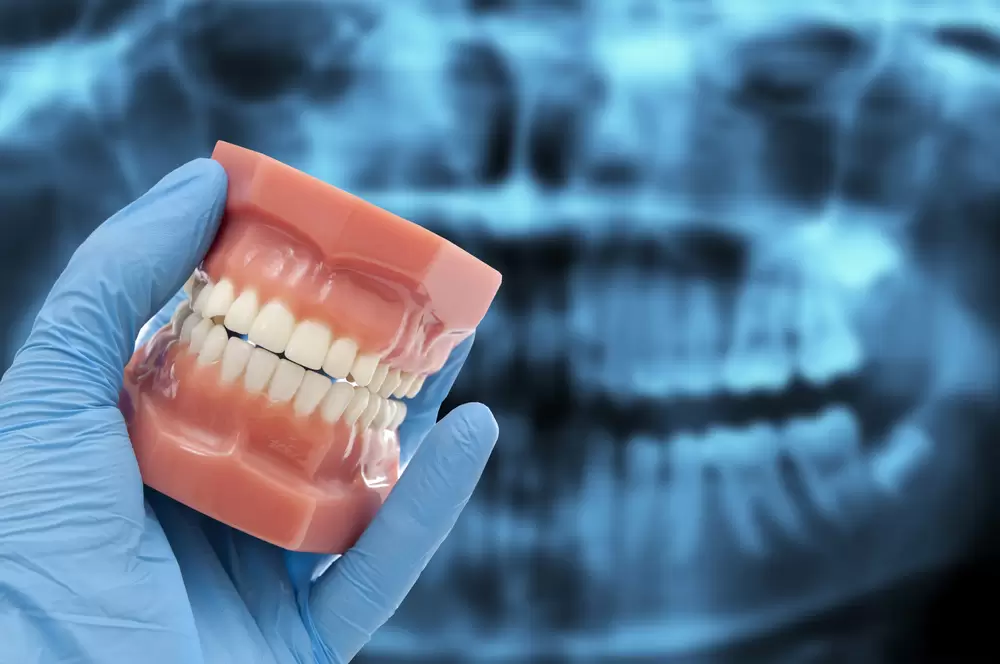
There may be two sides to every story, but your teeth? Way more sides! And all those sides on our teeth mean there are many surfaces that need care. Have you ever heard your dental team calling out strange-sounding medical terms as they check your teeth? Chances are they are calling out the surfaces of the teeth to identify the location of fillings, decay, chips and more. If you’ve ever wondered what exactly they were talking about, here’s a guide to the surfaces of your teeth.

Buccal: The word buccal literally means “cheek,” so the buccal surface of your teeth is the surface that touches the cheek, or the surface on the cheek side of your jaw. The buccal sides of the teeth are smooth with the exception of what is known as buccal pitting.

Occlusal: The occlusal surfaces are the biting surfaces of the back teeth. Misaligned occlusal surfaces give you what is known as a bad bite or, in technical terms, occlusions or malocclusions. Bad bites can cause difficulty chewing, jaw pain and uneven tooth wear. Occlusal surfaces are not smooth and have pitting and grooves along them.

Lingual: The lingual sides of your teeth are the sides that touch your tongue. Your tongue is responsible for speaking and language, hence the term “lingual.” Lingual surfaces are also smooth like their opposites, the buccal sides.

Incisal: The incisal surfaces are the biting surfaces on the front teeth. Incisors are smooth teeth. We have a total of eight incisors, including our “two front teeth.”

Mesial: Mesial surfaces are the surfaces closest to the midline of the face.

Distal: On the opposite side of the mesial surface lies the distal surface. The distal surface is the surface farthest from the face’s midline.

Proximal: The proximal surfaces are tooth surfaces that are next to each other.

Now that you have a better understanding of the names and locations of each tooth surface, you can better understand some of the dental lingo you might hear at Dr. Lesko’s office during your exam. This can help you understand not just what Dr. Lesko and her team are talking about, but it can also help you describe and locate any trouble areas on your tooth to share with the team during your exam.

Ready to make an appointment and get all those sides cleaned? Give us a call at 970-221-5115.

Contact The Fort Collins Dentist Family & Implant Dentistry:

970-221-5115

Location (Tap to open in Google Maps):

2001 S Shields St Bldg L
Fort Collins, Colorado
80526


Enamel Heal Thyself?

One of the biggest pitfalls of teeth is that once they’re damaged, they’re damaged. Enamel can’t regrow, cavities can’t heal themselves, and you end up needing painful and costly repairs to your teeth that will most likely need to be repeated somewhere down the road. But a new treatment in the works at the Herman Ostrow School of Dentistry at the University of Southern California could change all that. Under the leadership of Professor Janet Moradian-Oldak, a new enamel-regeneration hydrogel could be possible in the not-too-distant future.

The USC team found a way to regenerate a compound that is similar to enamel on the surface of the teeth. Made of something called chitosan-amelogenin peptide, which the body creates naturally to grow enamel, the hydrogel has been found to grow a surface coating that could someday replace damaged enamel.

Dr. Allison Lesko of Fort Collins, Colorado, thinks this new treatment could someday make her job a lot easier.

“They say up to 75 percent of all adults have some degree of fear of going to the dentist, which keeps a lot of people from getting necessary dental treatment,” she says. “A lot of that fear is fear of getting fillings, so if we could eliminate the need for fillings, it could encourage more people to go to the dentist.”

The hydrogel could not only heal minor surface cavities, but could also repair enamel damage such as enamel wear, which causes tooth sensitivity as well as enamel chips and cracks.

“Now, if you chip a tooth, the solution is a veneer or a filling,” says Lesko, “and while those treatments aren’t necessarily painful, they’re not permanent, either.”

The average age of a filling is about 10 to 15 years, but they can last up to 20 if well cared for. Regrown enamel would hopefully eliminate the need to replace fillings in or on the teeth.

“Replacing a filling can be a costly and embarrassing experience for some people, especially if their old filling falls out or off,” Lesko says. “They’re not meant to last forever.”

Lesko for one is glad that researchers are choosing to find ways to repair teeth, but she also welcomes research on ways to strengthen fillings in the meantime.

“The researchers at USC say that this type of enamel repair is still not ready for even clinical trials,” Lesko says. “In the meantime, I hope there are ways to strengthen fillings for those who need them.”

The USC research team recently was awarded three grants to continue their research, one of which should help them fast-track their findings to the Federal Drug Administration.

Contact The Fort Collins Dentist Family & Implant Dentistry:

970-221-5115

Location (Tap to open in Google Maps):

2001 S Shields St Bldg L
Fort Collins, Colorado
80526

Don’t Try This Dangerous DIY Trend at Home

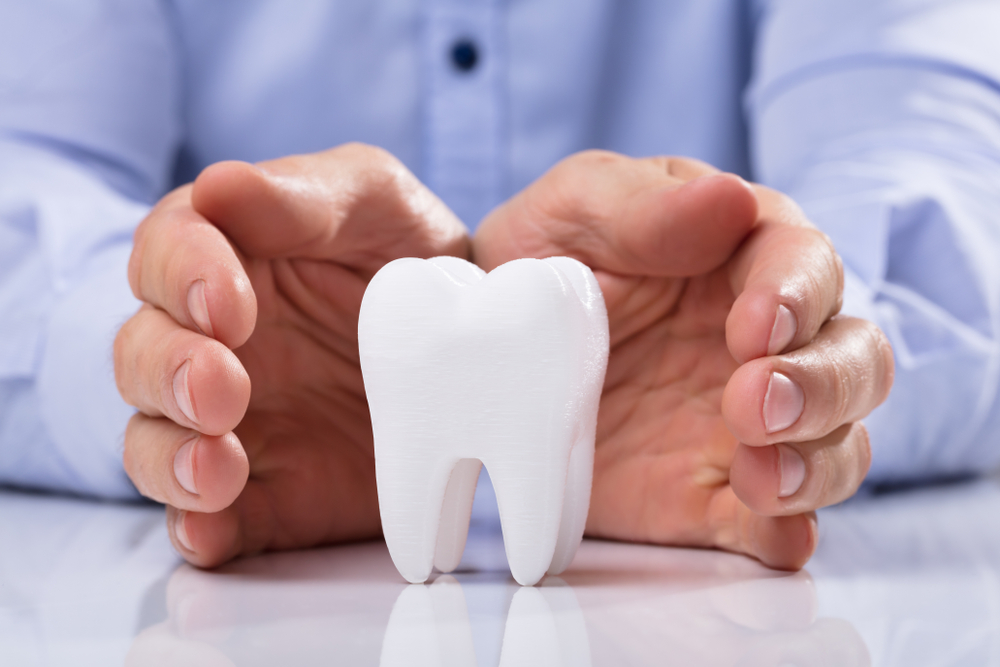
A pile of charcoal that should not be used for brushing teethWhen it comes to beauty, trends come and go. What’s on trend today may be long forgotten by tomorrow (hello, oil pulling!). But a recent trend in cosmetic oral health care is still going strong, and it could be causing a lot more harm than good. It’s the charcoal toothpaste trend, with the black mineral more commonly associated with summer grilling taking center stage in a number of new pastes and all-natural oral health products. But how safe is charcoal toothpaste, and why are dentists warning people to definitely not try the “do-it-yourself” version at home?

Dr. Allison Lesko is a dentist in Fort Collins, Colorado. She says the charcoal toothpaste trend is bad news for teeth.

“Charcoal toothpaste can scratch the tooth enamel, which is permanent damage to the teeth,” Lesko says.

According to Lesko, charcoal toothpaste grew in popularity when many users discovered their teeth appeared whiter after using the paste.

“Part of it is, I think there is a placebo effect of seeing your teeth black and then rinsing away the paste, seeing how white they look in comparison,” she says. “But charcoal toothpaste, to its credit,.does remove some surface staining.”

That being said, Lesko says that same stain-lifting effect is one you can get from any toothpaste and, yes, even that old standby, oil pulling.

“Almost anything can remove surface stains if you do it long enough,” she says.

So, what’s the problem with using charcoal toothpaste if it is doing what it claims? Not so fast, says Lesko.

“There is a difference between whitening and removing surface stains. The charcoal paste isn’t whitening the teeth, it’s cleaning them like any other, safer toothpaste would do,” she says.

The dangers of store-bought charcoal toothpaste aside, Lesko says there is an even scarier trend making its way around the country: homemade charcoal toothpaste.

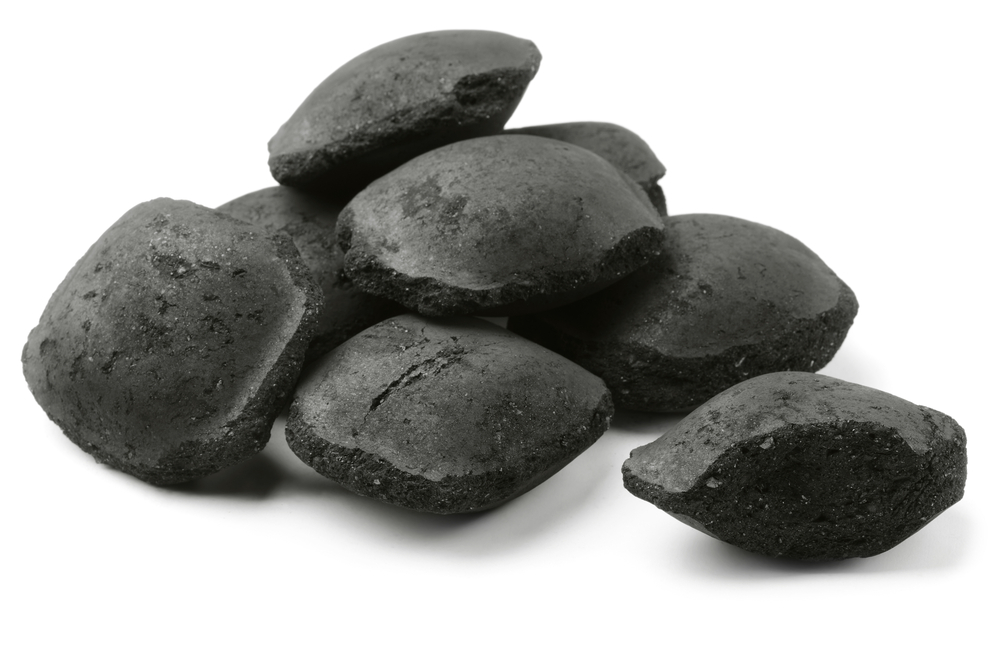
“Usually homemade gets the reputation of being somehow safer, but people are using charcoal briquettes like you would use for your grill and making toothpaste with that,” she says.”It’s extremely dangerous.”

Why? For starters, charcoal briquettes contain flammable additives and chemicals that are not meant to be consumed.

“You are essentially brushing your teeth with lighter fluid,” says Lesko.

So, what can you do if you want a natural way to fight cavities and get a whiter smile? Lesko recommends looking for a natural toothpaste with the American Dental Association seal of approval, or to watch what you eat so that food-based staining is less prevalent.

“Avoid smoking and heavy consumption of dark soda, red wine and coffee, and always brush twice a day for at least two minutes at a time,” Lesko says. “That will do more to keep your teeth stain free than brushing with an abrasive or dangerous ingredient like charcoal.”

Contact The Fort Collins Dentist Family & Implant Dentistry:

970-221-5115

Location (Tap to open in Google Maps):

2001 S Shields St Bldg L
Fort Collins, Colorado
80526

Teigen Under Fire Over Toddler Teeth

Supermodel and blogger Chrissy Teigen came under fire recently with her social media followers after posting a photo on Instagram of her 3-year-old daughter Luna’s first trip to the dentist. The so-called crime? Many followers are chiding Teigen for waiting so long to take the toddler to her first checkup – a checkup that many experts (and social media trolls) agree should occur between the ages of 6 months and 1 year. But did Teigen really mess up here? When is the right age to bring a child to the dentist, and how big of a deal is it to wait a little bit longer?

“Well, unfortunately, in this case the trolls are correct,” says Dr. Allison Lesko. “Ideally you should bring your child to their first dental exam by 6 months or whenever their first tooth erupts – whichever comes first.”

Lesko is a family dentist practicing in Fort Collins, Colorado, and says despite the general age requirements, it is up to the individual parents to decide when to bring their child to their first dental appointment.

“The sooner you can get your child in to the dentist, the better,” she says, “but many parents end up waiting until their child is walking and talking.”

Lesko says part of the reason parents should consider bringing their child so early is that it helps eliminate some of the odontophobia, or fear of the dentist, that many kids experience.

“When you know what to expect at the dentist’s office, it can be a lot less scary,” Lesko says.

Lesko says the first appointment is generally well tolerated by most children, as it is generally minimally invasive and easygoing.

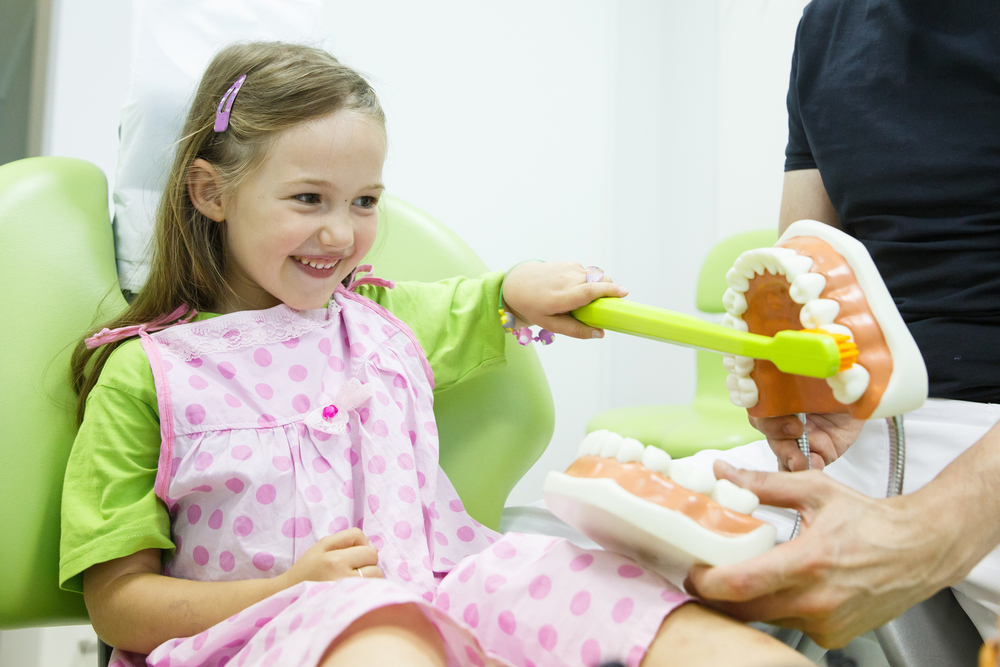
“We might count the teeth and practice brushing them with the child,” she says. “It’s all very gentle and child friendly, but it helps the child feel comfortable with going to the dentist and with having someone besides a parent’s hands in their mouth.”

According to Lesko, this is very important because it can set children up for a lifetime of excellent oral health habits.

“When your child isn’t afraid to go to the dentist, it will be easier to get him and her to not only go back to the dentist, but to take care of his or her teeth during the rest of the year,” she says. “Oral health never becomes something scary or optional – it just becomes a way of life for the child, and that’s what we want.”

As for Teigen, Lesko says she wouldn’t worry too much.

“Many kids don’t end up in my chair until around that age, and they’re just fine.”

Contact The Fort Collins Dentist Family & Implant Dentistry:

970-221-5115

Location (Tap to open in Google Maps):

2001 S Shields St Bldg L
Fort Collins, Colorado
80526

Summer Food and Teeth

Summer is finally here, and that can mean only one thing: It’s summer food season. But not all summer treats are created equally. Some are better for us – and our teeth – than others. Here’s a list of some of the best and worst foods you may encounter this summer.

Barbecue

Summertime means outdoor time and outdoor time means outdoor cooking! And what’s better for outdoors cooking than barbecue? This Southern favorite may be delicious, but that sticky barbecue sauce that’s often laden with sugar is pretty dangerous for your teeth. But don’t put down those ribs just yet. Just make sure you brush well after eating, and if you do eat some of the stringier meats like ribs, be sure to floss afterward, too!

Fresh Fruit

School may be over, but fresh fruit gets an A+ for summer snacking. Summer means all the seasonal favorites are back, like watermelon, cantaloupe, strawberries and more. And while in some cases these delicious fruits do have a high acid content, their health benefits outweigh their acidity. Should you decide to snack on fresh, delicious summer fruit, follow these guidelines: Drink water after consuming, and wait at least 30 minutes before brushing your teeth to allow your tooth enamel to re-harden. But do remember to brush!

Ice Cream

Ice cream is delicious and refreshing, but it can also trigger tooth sensitivity. If you find yourself wincing in pain when eating ice cream, give Dr. Lesko’s office a call for a checkup. There are many possible reasons for sensitive teeth, and some of them are relatively easy to correct. Sensitivity aside, remember that ice cream is usually full of sugar and carbohydrates – two things that cavity-causing bacteria love to feast on. So, make sure that when you indulge in that cone of black raspberry this summer to brush your teeth afterward. Should you add any sticky or sweet toppings or choose a flavor with candy mixed in, remember it’s that much more important to floss afterward, too.

Carnival Foods

Summer is carnival season, which means it’s time for those once-a-year epic carnival foods like cotton candy, candy apples and caramel corn. All delicious, and all terrible for your teeth. We’ll let these slide since they are a once-a-year treat, but make sure you brush really well when you get home. If you do want to opt for healthier fair-fare, swap out the sticky sweets for kettle corn, corn on the cob or maybe even one of those giant turkey legs. Ultimately, though, one bag of cotton candy won’t wreck your smile, so go to the carnival, the barbecue, the pool or the beach and have a great summer, no matter what you eat!

Want to give your smile a summer checkup? Give us a call at 970-221-5115.

Contact The Fort Collins Dentist Family & Implant Dentistry:

970-221-5115

Location (Tap to open in Google Maps):

2001 S Shields St Bldg L
Fort Collins, Colorado
80526


Oral Health Linked to Better Drug Treatment Outcomes

Data have shown that a staggering estimated 38 percent of American adults suffered from a substance abuse problem in 2017, and with a looming opioid crisis and many small towns across the nation dealing with drug epidemics, those numbers don’t seem like they’ll shrink anytime soon. But there finally may be some good news from the field of dentistry about treating substance abuse – and it’s all about oral health.

It all began when the University of Utah reached out to two local drug rehabilitation programs called First Step and Odyssey House. The initial goal of this partnership was to allow university students to work on the teeth of the patients coming through the two drug rehabilitation programs, benefiting both the students who needed the experience and the patients who desperately needed the dental care.

Program directors noted that the program was a success but soon began to realize the program was having some unintended benefits, too.

Dr. Allison Lesko is a dentist in Fort Collins, Colorado, who did not participate in the program, but who says its outcomes are nothing short of astounding.

“Program administrators at both treatment facilities began reporting to the university that patients in the dental program were staying in drug rehabilitation twice as long as those not in the dental program,” says Lesko. “They also noticed an 80 percent increase in the number of patients who completed the substance abuse program.”

But that’s not all. According to researchers at the University of Utah, not only did these patients stay longer, but their substance abuse treatments were also more effective.

“Patients in the dental program were two to three times more likely to stay sober following their treatment than those who did not participate,” says Lesko.

Another benefit? The dental program participants were also two to three times more likely to get jobs, and those who were homeless prior to treatment were able to secure housing.

But all this success just from fixing their teeth? Lesko believes it.

“Your teeth aren’t just tools to help you chew. The way they look can make or break your confidence, and when your teeth hurt it can be hard to focus on anything else,” she says. “Furthermore, for someone who is in constant pain to have that pain alleviated can eliminate at least some of the need to self-medicate. So there’s an element there that may help motivate them to stick with the drug treatment.”

Whatever the reason may be, the University of Utah has decided to continue and expand the program so that more patients can get the oral health care they need and hopefully benefit from the same impressive results as those in the initial study group.

Contact The Fort Collins Dentist Family & Implant Dentistry:

970-221-5115

Location (Tap to open in Google Maps):

2001 S Shields St Bldg L
Fort Collins, Colorado
80526

Toothbrushes Causing Trash Crisis

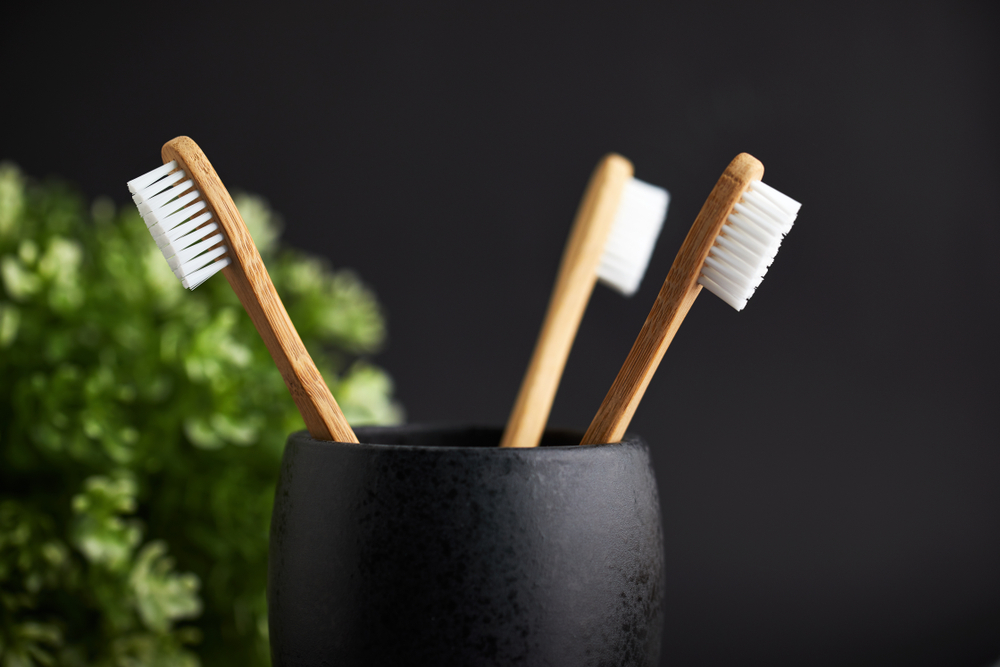
Brushing your teeth. We all do it, and with few exceptions we all do it with the same tool: the toothbrush. Virtually unchanged for centuries, the toothbrush is a convenient and ergonomically designed way to clean the plaque and bacteria that discolors our teeth and causes cavities. But the toothbrush as it stands today has one major flaw that scientists are trying to correct: the trash problem.

It began back in the 1930s with the development of two new materials: plastic and nylon. Toothbrushes, which were a rarity at the time, were still being made with wood. Soon, that wood was replaced by cellulose, and finally plastic with nylon bristles. The plastic and nylon combination proved to be a safe, effective and durable way to clean the teeth – and with time it was relatively affordable, with the price of a brush coming down as plastic became more commonplace.

But all those durable brushes may be a little too durable. Did you know that a recent study found that the average person will use 300 toothbrushes over a lifetime? Or that Americans use so many toothbrushes each year that if laid out, they would wrap around planet Earth four times? That’s a lot of toothbrushes being used – and a lot of toothbrushes being thrown away. In fact, because the materials used to create toothbrushes are unrecyclable and non-biodegradable, according to National Geographic most of the toothbrushes created since the 1930s are probably still around somewhere, whether sitting in a landfill or floating in the ocean, washing ashore onto beaches around the world.

So, what can be done to stop these toothbrushes from clogging landfills and waterways? That’s what scientists are trying to answer.

Dr. Allison Lesko is a dentist based in Fort Collins, Colorado. She said there are already some alternatives to plastic and nylon toothbrushes, but they still have a long way to go toward solving the problem.

“There are bamboo brushes now and even some metal brushes, but they still use nylon bristles,” says Lesko. “They don’t quite go far enough.”

So, what about electric brushes – are they any better?

“Theoretically an electric brush will last longer and stay out of landfills longer, but they still eventually make it to landfills, and they can’t be recycled, either.”

Another problem? They still use plastic and nylon heads that need to be replaced just as often as regular toothbrushes. Though it’s less plastic, scientists are still not satisfied with how much plastic these brush heads leave behind.

So, what can you do to reduce your own toothbrush’s carbon footprint? Dentists like Lesko say swapping to a greener toothbrush such as a bamboo, metal or reusable-handled brush may not go as far as environmentalists want them to yet, but they are still a more viable, greener option than traditional plastic brushes.

Contact The Fort Collins Dentist Family & Implant Dentistry:

970-221-5115

Location (Tap to open in Google Maps):

2001 S Shields St Bldg L
Fort Collins, Colorado
80526

Bacteria and the Brain

A new study conducted by researchers at several major universities and published in the medical journal Science Advances has revealed that bacteria have the ability to release toxins that can make their way into the bloodstream and into the brain. Worse yet, these toxins could be responsible for the development of Alzheimer’s disease.

With over 700 different species of bacteria colonizing in our mouths, it’s actually quite impressive that only about 24 of them can cause problems throughout the rest of the body – but those problems are big problems, says Dr. Allison Lesko, a dentist from Fort Collins, Colorado.

It all starts when those nasty bacteria that hang out in our mouths get swallowed or pulled into our bloodstream.

“Your teeth and gums are supposed to stop the bacteria from leaving your mouth, but if you have inflammation or gingival pockets due to receding gums, these create easy entrance points for these bacteria to enter the bloodstream and cause damage in the body,” says Lesko.

One of the worst offenders is bacteria known as Porphyromonas gingivalis, or p. gingivalis for short. P gingivalis is not only dangerous in its own right, but it also has the power to change good bacteria into bad bacteria, which is very bad news for your body. In fact, p. gingivalis has been found to cause everything from pneumonia to heart disease and even esophageal cancer. Now, it’s also being linked to Alzheimer’s disease.

Thankfully, now that a link between p. gingivalis and Alzheimer’s has been established, researchers can set to work determining what – if anything – can be done to sever the link and hopefully treat Alzheimer’s disease. One such attempt at severing this link is treatment with a drug called COR388. This experimental drug has been found to eradicate p. gingivalis proteins called gingipains, which have been found in excess in the brains of Alzheimer’s patients postmortem.

Thanks to this success, COR388 is currently undergoing clinical trials, and development of other drugs that would target the gingipains is currently under way.

In the meantime, Lesko says your best weapon against Alzheimer’s disease, gingipains and p. gingivalis bacteria are the same thing: one simple step that many Americans admit to not doing regularly enough.

“Brushing your teeth,” says Lesko. “That’s the key to preventing a lot of this.”

Lesko says brushing twice a day for two-minute intervals and flossing at least one time per day can help ward off not just cavities and bad breath, but also periodontal disease and the entrance of bacteria into the bloodstream and brain.

Researchers are quick to note that not all cases of Alzheimer’s disease appear to be caused by p. gingivalis bacteria, so treatments like COR388 may not be the answer for everyone. But Lesko is optimistic that with improved oral health initiatives, we may see a reduction in Alzheimer’s cases in the future.

Contact The Fort Collins Dentist Family & Implant Dentistry:

970-221-5115

Location (Tap to open in Google Maps):

2001 S Shields St Bldg L
Fort Collins, Colorado
80526


Protect Teeth While Swimming This Summer

Young boy swimming in a swimming poolIt’s fun, it’s refreshing and it’s one of America’s favorite summer pastimes: swimming in the pool. Swimming provides the body with heart-pumping yet low-impact exercise that’s gentle on the joints. It also can improve muscle tone and body strength and constitutes a full-body workout. But for all the good swimming does for our bodies, it could be doing harm to one particular area of the body: the mouth. Here’s why swimming can be dangerous to your oral health, and what you can do to protect yourself while making a splash this summer.

Swimmer’s Calculus

No, its not a special math class for pool lovers. Swimmer’s calculus is a type of buildup that occurs on the teeth from the raised pH of chlorine and chemicals found in pool water. Swimmer’s calculus builds up over the summer, especially if you spend more than an hour in the pool at a time. Swimmer’s calculus appears as deposits of yellow on the teeth. Though it may be unsightly, thankfully swimmer’s calculus is temporary and can be removed by going to the dentist for your regular cleaning

Chlorine and Your Teeth

Chlorine can be a useful chemical when it comes to keeping the water in your pool clean and free of germs and bacteria, but it can also take a toll on your skin, causing it to dry out. It can even discolor and dry out your hair, irritate your eyes, and burn your lungs. But it can also cause problems in the mouth – namely sensitive teeth.

According to the Centers for Disease Control, pools with a pH of lower than 7.0 pose the highest risk to your teeth, including enamel erosion. Enamel erosion occurs when the enamel of the teeth wears away, exposing the lower layers of the tooth known as the dentin. Aside from being unsightly, this can cause tooth sensitivity. Worse yet, enamel does not grow back, so fixing enamel erosion may require sealants, veneers or even a procedure called gum grafting, which can help raise the gumline and reduce sensitivity along the gums.

An Ounce of Prevention

So how can you prevent swimmer’s calculus and enamel erosion due to chlorine? Try to not ingest or get pool water in your mouth. Keep your mouth closed while swimming, diving or standing in the water. When you are done in the water, rinse your mouth out with fresh tap water or bottled water, and apply the same rules as you would to brushing after eating an acidic food. Wait at least 30 minutes after exiting the pool to brush your teeth so the enamel has a chance to reharden.

For questions or concerns or to schedule an appointment, please contact Dr. Lesko’s office at 970-221-5115.

Contact The Fort Collins Dentist Family & Implant Dentistry:

970-221-5115

Location (Tap to open in Google Maps):

2001 S Shields St Bldg L
Fort Collins, Colorado
80526


Caring for Braces

If you or your child just got braces, congratulations! You’ve taken the first step toward a straight, beautiful smile. If you are new to wearing braces, you may not realize that caring for braces is different from caring for “naked” teeth – it requires special tools and extra steps. But don’t get overwhelmed with braces care. Here are the tools you need in your orthodontic care toolbox.

Toothbrush and Toothpaste

You will never not need a toothbrush, no matter if you have braces or not. The challenge with braces is cleaning around the brackets as well as cleaning the brackets themselves. Failure to properly clean the teeth while undergoing orthodontic treatment not only increases your risk of tooth decay, but can also cause white spots on the teeth called orthodontic white spot lesions, or WSLs. After spending all that time getting your teeth aligned, the last thing you want is for them to be discolored.

Floss and Threaders

Floss is essential to a healthy mouth. In fact, if you’re not flossing you’re missing about 30 percent of the surface of your teeth. But flossing can be difficult even under the best of circumstances, let alone with braces. That’s why we recommend using a disposable device called a floss threader, which will allow the floss to be threaded underneath the wire in your braces to reach the gumline.

Water Flosser

You may wonder why you need a water flosser if you’re already using dental floss or threaders. But water flossers are a great complement to traditional floss and can help remove some plaque and debris from between the teeth. For braces wearers, a water flosser is best used to clean away the plaque and debris from your braces brackets.

Dental Wax

Because the teeth shift with braces, they can often cause pain weeks after adjustment in the form of poking wires. These wires can rub against your cheek, causing injury. That’s where dental wax comes in. Dental wax is soft, pliable wax that can be put directly onto a poking wire to insulate that wire from the rest of the cheek. Of course, this is just a temporary fix, so if you find yourself needing to use wax to avoid pain, call Dr. Lesko’s office and schedule an appointment to have the wire adjusted.

For more information or questions or concerns about your braces, call Dr. Lesko’s office at 970-221-5115.

Contact The Fort Collins Dentist Family & Implant Dentistry:

970-221-5115

Location (Tap to open in Google Maps):

2001 S Shields St Bldg L
Fort Collins, Colorado
80526