


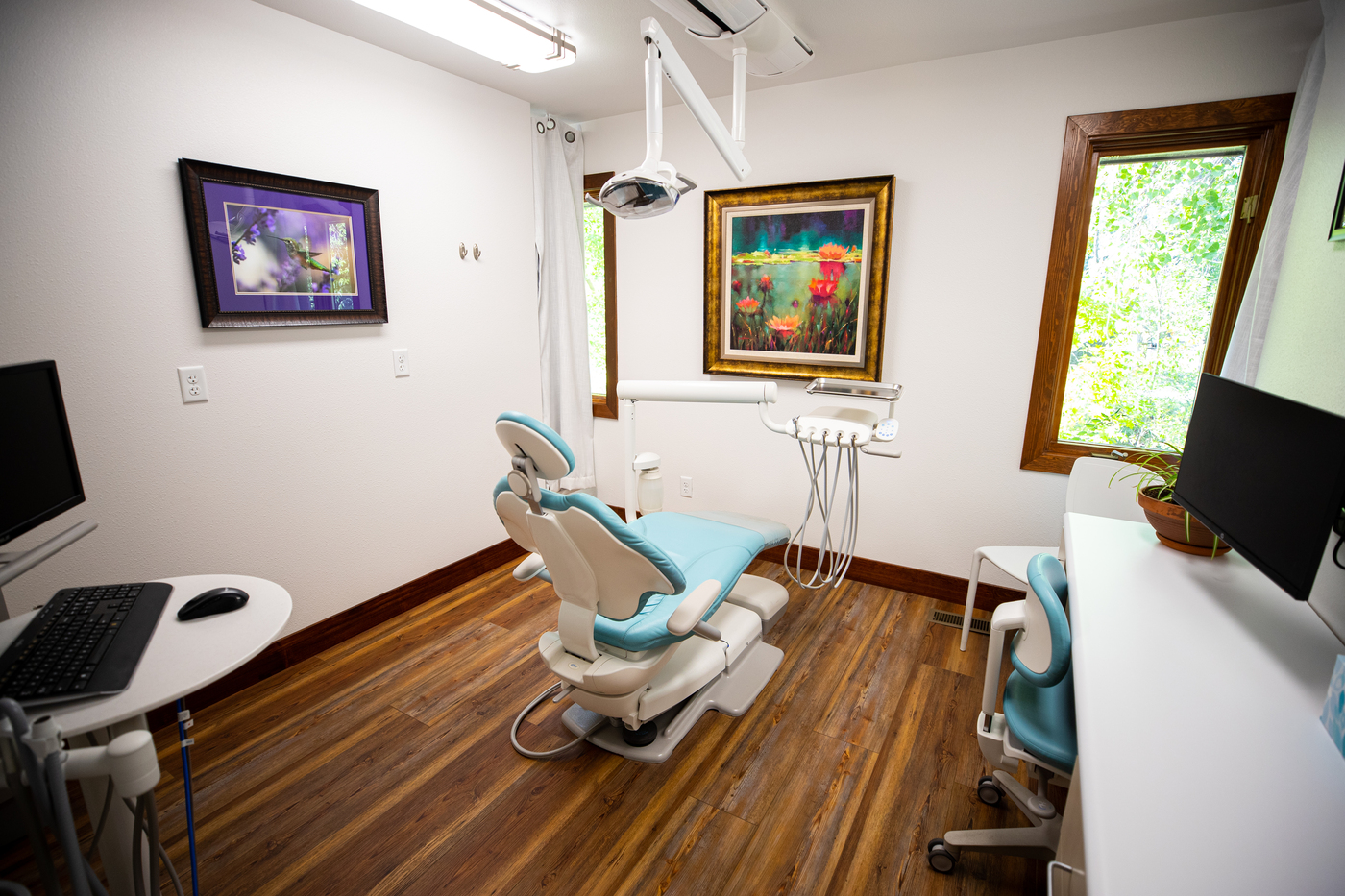
Are root canals still painful? Modern root canal therapy at The Fort Collins Dentist relieves infection, preserves natural teeth, and prioritizes patient comfort throughout treatment.
The Fort Collins Dentist provides root canal therapy for patients throughout the community, and Dr. Allison Lesko wants patients to understand something important: this procedure has changed dramatically from the version that built its frightening reputation. Modern root canal treatment is designed to address infection, relieve discomfort, and preserve the natural tooth whenever possible. Advances in technique and technology have reshaped what patients can actually expect, and one of the biggest shifts is that treating and restoring an affected tooth no longer has to mean the drawn-out process people remember.
What a Root Canal Actually Does
A root canal focuses on the pulp inside a tooth, the soft tissue containing nerves and blood vessels. When cracks, chips, or decay let bacteria reach that pulp, an infection can take hold. Root canal therapy removes the source of that infection while preserving as much of the natural tooth structure as possible. Rather than something to fear, it is best understood as a tooth-saving procedure.
Why Root Canals Have an Outdated Reputation
Much of the anxiety surrounding root canals comes from outdated stories about painful, lengthy appointments. Those experiences understandably make people hesitant to seek care, even when they are in pain. Contemporary dentistry places far greater emphasis on comfort and efficiency, and separating old assumptions from what current treatment offers can make a real difference in how patients approach their oral health.
Modern Treatment Prioritizes Comfort
Today’s approach is built around making root canal therapy as comfortable and straightforward as possible. Effective anesthesia plays a central role, and a carefully planned treatment helps patients feel confident about preserving an infected tooth rather than losing it. Patients who feel nervous are encouraged to discuss their concerns with Dr. Lesko before treatment begins.
Saving the Natural Tooth
When a damaged tooth cannot be successfully treated, extraction may become necessary, often followed by additional steps to replace the missing tooth. Root canal therapy offers a chance to retain the natural tooth when appropriate, and preserving the original tooth generally comes with real advantages over moving straight to extraction and replacement.
Signs You May Need a Root Canal
Persistent tooth pain, sensitivity to hot or cold, discomfort when chewing, swollen or reddened gums, a pimple-like bump on the gum, and tooth discoloration can all signal a problem. Symptoms vary from patient to patient, so a dental examination is the only reliable way to determine the cause. Waiting for symptoms to worsen rarely helps.
The Role of Same-Visit Crowns
A treated tooth often needs a crown to protect it and restore its appearance and function. CEREC technology allows certain crowns to be created and fitted efficiently, and in appropriate cases, same-visit crown technology can reduce the number of appointments a patient needs. That crown protects the remaining tooth structure and is shaped to fit comfortably with the surrounding bite, returning the tooth to everyday use.
Don’t Let an Old Reputation Keep You From Relief
Root canal treatment has evolved well beyond the frightening image many patients still carry with them. Comfort, tooth preservation, efficient treatment, and lasting restoration are now central to the process. If you are experiencing persistent tooth pain or other warning signs, contact The Fort Collins Dentist to find out whether modern root canal treatment can help save your natural tooth.
Contact The Fort Collins Dentist Family & Implant Dentistry:
970-221-5115
Location (Tap to open in Google Maps):
2001 S Shields St Bldg L
Fort Collins, Colorado
80526