
Protect Teeth While Swimming This Summer

Young boy swimming in a swimming poolIt’s fun, it’s refreshing and it’s one of America’s favorite summer pastimes: swimming in the pool. Swimming provides the body with heart-pumping yet low-impact exercise that’s gentle on the joints. It also can improve muscle tone and body strength and constitutes a full-body workout. But for all the good swimming does for our bodies, it could be doing harm to one particular area of the body: the mouth. Here’s why swimming can be dangerous to your oral health, and what you can do to protect yourself while making a splash this summer.

Swimmer’s Calculus

No, its not a special math class for pool lovers. Swimmer’s calculus is a type of buildup that occurs on the teeth from the raised pH of chlorine and chemicals found in pool water. Swimmer’s calculus builds up over the summer, especially if you spend more than an hour in the pool at a time. Swimmer’s calculus appears as deposits of yellow on the teeth. Though it may be unsightly, thankfully swimmer’s calculus is temporary and can be removed by going to the dentist for your regular cleaning

Chlorine and Your Teeth

Chlorine can be a useful chemical when it comes to keeping the water in your pool clean and free of germs and bacteria, but it can also take a toll on your skin, causing it to dry out. It can even discolor and dry out your hair, irritate your eyes, and burn your lungs. But it can also cause problems in the mouth – namely sensitive teeth.

According to the Centers for Disease Control, pools with a pH of lower than 7.0 pose the highest risk to your teeth, including enamel erosion. Enamel erosion occurs when the enamel of the teeth wears away, exposing the lower layers of the tooth known as the dentin. Aside from being unsightly, this can cause tooth sensitivity. Worse yet, enamel does not grow back, so fixing enamel erosion may require sealants, veneers or even a procedure called gum grafting, which can help raise the gumline and reduce sensitivity along the gums.

An Ounce of Prevention

So how can you prevent swimmer’s calculus and enamel erosion due to chlorine? Try to not ingest or get pool water in your mouth. Keep your mouth closed while swimming, diving or standing in the water. When you are done in the water, rinse your mouth out with fresh tap water or bottled water, and apply the same rules as you would to brushing after eating an acidic food. Wait at least 30 minutes after exiting the pool to brush your teeth so the enamel has a chance to reharden.

For questions or concerns or to schedule an appointment, please contact Dr. Lesko’s office at 970-221-5115.

Contact The Fort Collins Dentist Family & Implant Dentistry:

970-221-5115

Location (Tap to open in Google Maps):

2001 S Shields St Bldg L
Fort Collins, Colorado
80526

Caring for Braces

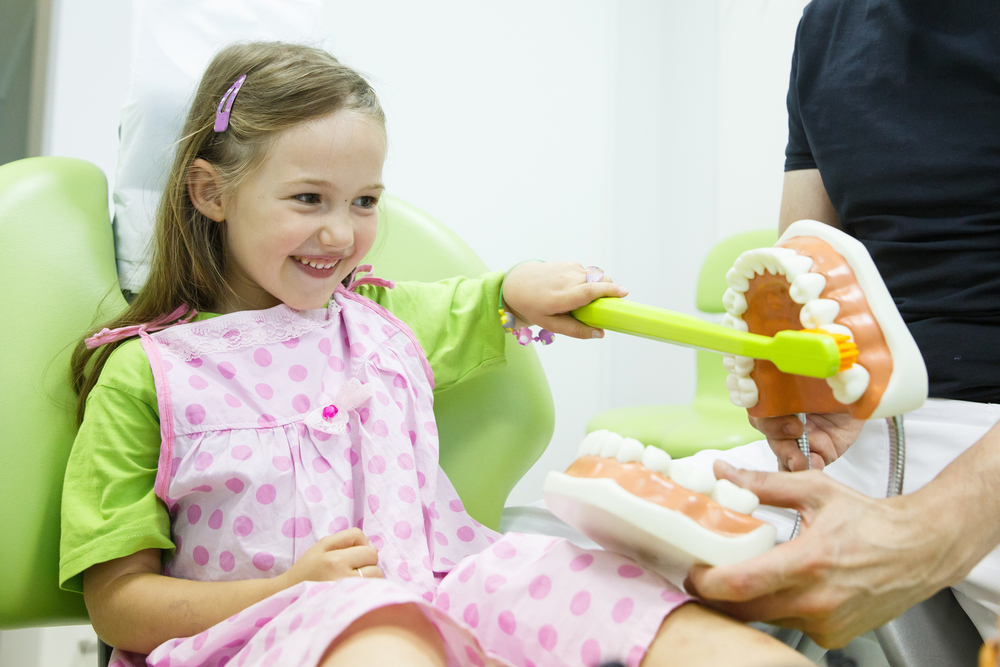
If you or your child just got braces, congratulations! You’ve taken the first step toward a straight, beautiful smile. If you are new to wearing braces, you may not realize that caring for braces is different from caring for “naked” teeth – it requires special tools and extra steps. But don’t get overwhelmed with braces care. Here are the tools you need in your orthodontic care toolbox.

Toothbrush and Toothpaste

You will never not need a toothbrush, no matter if you have braces or not. The challenge with braces is cleaning around the brackets as well as cleaning the brackets themselves. Failure to properly clean the teeth while undergoing orthodontic treatment not only increases your risk of tooth decay, but can also cause white spots on the teeth called orthodontic white spot lesions, or WSLs. After spending all that time getting your teeth aligned, the last thing you want is for them to be discolored.

Floss and Threaders

Floss is essential to a healthy mouth. In fact, if you’re not flossing you’re missing about 30 percent of the surface of your teeth. But flossing can be difficult even under the best of circumstances, let alone with braces. That’s why we recommend using a disposable device called a floss threader, which will allow the floss to be threaded underneath the wire in your braces to reach the gumline.

Water Flosser

You may wonder why you need a water flosser if you’re already using dental floss or threaders. But water flossers are a great complement to traditional floss and can help remove some plaque and debris from between the teeth. For braces wearers, a water flosser is best used to clean away the plaque and debris from your braces brackets.

Dental Wax

Because the teeth shift with braces, they can often cause pain weeks after adjustment in the form of poking wires. These wires can rub against your cheek, causing injury. That’s where dental wax comes in. Dental wax is soft, pliable wax that can be put directly onto a poking wire to insulate that wire from the rest of the cheek. Of course, this is just a temporary fix, so if you find yourself needing to use wax to avoid pain, call Dr. Lesko’s office and schedule an appointment to have the wire adjusted.

For more information or questions or concerns about your braces, call Dr. Lesko’s office at 970-221-5115.

Contact The Fort Collins Dentist Family & Implant Dentistry:

970-221-5115

Location (Tap to open in Google Maps):

2001 S Shields St Bldg L
Fort Collins, Colorado
80526


Dental Terms, Defined

Though we do our best to put you at ease, sometimes dental appointments can be a little bit scary – even for adults. The fear of the unknown, the sounds of dental tools, and those big, scary-sounding words we sometimes use can all make people a little bit tense. But there’s no need to fear complex dental vocabulary. Here are a few scary-sounding words you may have heard around the office that really aren’t that scary after all.

Bruxism: Bruxism means to grind or clench your teeth. Bruxism can often occur without you even realizing you’re doing it, making it harder to stop doing. Dr. Lesko can usually tell if you have bruxism by the condition of your teeth. People with bruxism often have cracked, chipped or worn teeth and may experience frequent jaw soreness due to the pressure of their jaw clenching together.

Occlusions: An occlusion is a word used in many ways, but when it comes to dentistry, an occlusion is simply the part where two teeth – one from the upper jaw, the other from the lower – meet.

Malocclusion: A malocclusion is a dental term that means the incorrect positioning of the upper and lower teeth. Another term for malocclusion is a bad bite.

Caries: Dental caries is another way to say “cavities” or tooth decay. It occurs when acids break down the teeth, causing the tooth to decay away. Caries must be repaired by fillings before they worsen, or they can cost you your entire tooth!

Amalgam: Amalgam is a metal composite used to fill cavities in teeth.

Abscess: A dental abscess is an infection that occurs at the ends of the roots of the tooth. It appears in the form of a pocket that is full of pus. Most likely if you have an abscess, you will need a root canal to repair it.

Calculus: No, it’s not the math you struggled with in high school. Dental calculus is the term we use to describe the hard buildup that occurs on the roots of teeth, dental implants and crowns.

Xerostomia: Believe it or not, this is a very complex-sounding word for the condition dry mouth! Dry mouth can occur for many reasons, including dehydration, sleeping with your mouth open and some medications. Xerostomia is not a condition but a side effect of other conditions. Still, it is dangerous as the lack of saliva can increase the instance of cavities.

Want to learn more about dental terms? Make an appointment with Dr. Lesko today! Call 970-221-5115.

Contact The Fort Collins Dentist Family & Implant Dentistry:

970-221-5115

Location (Tap to open in Google Maps):

2001 S Shields St Bldg L
Fort Collins, Colorado
80526

Can Kombucha Kill Healthy Smiles?

If you are one of the many people who have jumped on the kombucha trend in recent years, you may want to think twice about how you drink the trendy fermented tea drink. That’s because, according to recent studies, kombucha – for all its purported health benefits – may be bad for your teeth.

Before we get into the why, let’s take a step back and look at what – what is kombucha, exactly?

Kombucha is a fermented black tea drink that is made by fermenting sugared tea with yeast and bacteria. This creates something called acetic acid and osmophilic yeast, which are probiotics. If you haven’t already heard of probiotics, they’re tiny microorganisms that boast some pretty big health benefits. So when you drink something like kombucha that is chock-full of probiotics, you’d think you’d be gaining some of those benefits, right?

Well, not so fast. For all the supposed medical claims made about kombucha (it has been said that it treats everything from AIDS to diabetes and cancer), there is no proof it helps with any of these conditions. Not only that, but thanks to its acid level, it’s dangerous for your teeth – and some say worse than soda!

But before you pour your cup down the drain, there are some things you should consider.

First, if you like kombucha and feel like the probiotics are helping you, continuing to drink it probably won’t hurt you – provided you protect your teeth. If you are going to continue with kombucha, keep in mind that the acid in the beverage is harmful, and act accordingly. When you do drink it, make sure you drink water either while you are drinking your kombucha or immediately after drinking it. Also, experts recommend you drink your kombucha quickly, as this will minimize the amount of time it is in your mouth and subsequently on your teeth.

As with any acidic food or beverage, make sure you do not brush your teeth immediately after drinking kombucha. The acids in the drink can soften the tooth enamel and leave it vulnerable to permanent scratching from your toothbrush. Rinse with water, and then wait at least 30 minutes before brushing so your tooth enamel has time to re-harden.

If you have any questions or concerns about drinking kombucha or other probiotic beverages, speak to your doctor or call Dr. Lesko at 970-221-5115.

Contact The Fort Collins Dentist Family & Implant Dentistry:

970-221-5115

Location (Tap to open in Google Maps):

2001 S Shields St Bldg L
Fort Collins, Colorado
80526

These Beauty Trends Can Destroy Smiles

Toothpaste being squeezed onto a toothbrushIf you’re searching for a whiter, brighter smile, there are many trendy products out there that claim to be able to help you reach your goals. But what you don’t know can hurt you. That’s because many of these so-called oral “health” products aren’t so healthy after all. In fact, they can be doing more harm than good to your teeth and gums. Before you reach for those white strips or that designer toothpaste, check out these surprisingly dangerous oral care products.

Trendy Flavored Toothpastes

There’s nothing wrong with wanting to change up the flavor of your favorite paste from time to time. Basic mint can get boring after awhile. But beware some of the newer, trendier toothpaste brands that have sprung up in stores and online. They may taste great, but many don’t contain the recommended daily amount of fluoride, and thus aren’t doing as much for your teeth as they could be. Always check the packaging for the American Dental Association seal of approval, and if you’re not sure if a product contains fluoride, read the ingredients on the packaging.

White Strips

White strips have been an affordable, reliable way to whiten teeth for years, but a new study has found that they could be very dangerous to your teeth. That’s because researchers found that when hydrogen peroxide (the active whitening ingredient in white strips) was left on the teeth, it was able to penetrate the enamel and destroy the dentin of the teeth by causing it to crumble apart. While it is not yet known if this dentin can be revived or if this is problem is isolated to the pulled, dead teeth used in the study, for now we’d advise you to avoid these products until more conclusive evidence is reported.

Pulling

No, not teeth pulling – oil pulling. Though this ancient ayurvedic practice seems pretty safe, there are safer ways to rinse the teeth. First of all, it’s important to note that oil pulling with essential oils only removes surface stains. If that’s all you’re trying to do, you can achieve the same results using mouthwash, saltwater and, yes, even plain old tap water – all of which are proven safe for your teeth. Meanwhile, pulling with some varieties of oil has been found to cause pneumonia if the oil makes its way into your lungs!

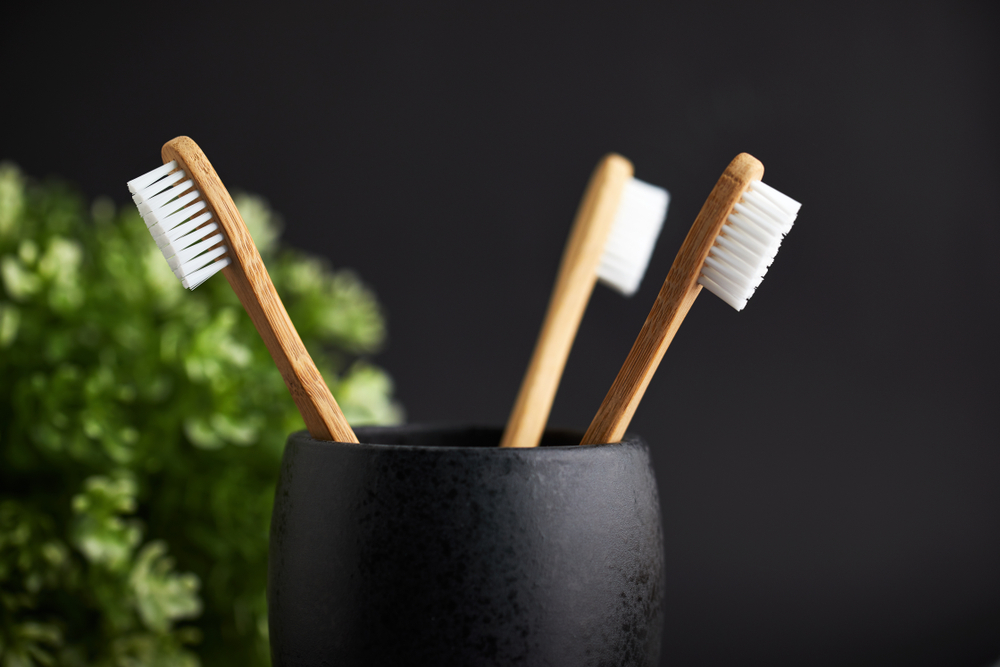
Bottom line, you don’t need trendy oral health care products to maintain a healthy, beautiful smile. Just brush with fluoride toothpaste at least twice a day for two minutes at a time and floss once a day. This will keep your smile looking as white and bright as possible – without the risk.

Ready to make an appointment with Dr. Lesko? Call 970-221-5115 today.

Contact The Fort Collins Dentist Family & Implant Dentistry:

970-221-5115

Location (Tap to open in Google Maps):

2001 S Shields St Bldg L
Fort Collins, Colorado
80526

3 Signs It’s Time for a Dental Checkup

calendar showing checkup with a family dentist in Fort Collins, COWhen you begin to feel something is amiss in your mouth, it’s probably due to an underlying issue and it may be time to get help ASAP!

You shouldn’t wait and hope it will go away on its own as it could turn into something much more serious. Most times, it’s very much advantageous to tackle the problem at the earliest possible stages. Here are three signs it’s time to schedule a dental checkup right away:

1. Dry mouth

We all have experienced this “cotton mouth” feeling at some point. However, a chronic dry mouth is a more serious condition that, when left untreated, can have consequences.

Dry mouth was by far the most commonly reported oral ailment in a recent survey conducted by the American Dental Association of 15,000 adults in the United States. Dry mouth was especially reported by older people. In cases like this, the salivary glands are usually unable to produce enough saliva to fight mouth diseases and neutralize mouth acids.

This condition at times can be caused by changes in medications as well as some other systemic conditions. You should seek treatment as soon as possible so you don’t put yourself at the mercy of tooth decay or periodontal disease. If you feel like your mouth feels abnormally dry on a regular basis, talk to your dentist and book a dental checkup right away.

2. Tooth pain

About one-third of the people surveyed by the ADA pointed out tooth pain as their greatest oral problem. Most times, this is caused by an abscessed gum, a decayed tooth or similar conditions.

This won’t go away on its own, and in most cases delaying treatment may complicate things even further as well. If your tooth suddenly begins to cause pain, consider getting a dental checkup immediately.

3. Chewing difficulty

If you’re finding it difficult to bite and chew, you’re not alone. Many of the ADA survey respondents revealed this as a major dental problem.

Like the case with tooth pain, chewing difficulty could be caused by a decayed tooth, a cracked or loose tooth, as well as the jaw joint disorder temporomandibular joint disorder, or TMJD/TMD.

TMJD can make it quite difficult for sufferers to bite and chew, which can also impact nutrition.

Regular dental checkups have huge benefits. Many times, your dentist may be able to identify problems before they even manifest or become a more serious problem.

If you have any of these oral health issues affecting your comfort, make an appointment right away for a proper dental checkup. You can schedule a visit or contact us today at 970-221-5115 for more information.

Contact The Fort Collins Dentist Family & Implant Dentistry:

970-221-5115

Location (Tap to open in Google Maps):

2001 S Shields St Bldg L
Fort Collins, Colorado
80526


Dental Tips You May Not Have Heard

As with most professions, dentists must complete continuing education and training each year to stay current. But even if they weren’t required to, many dentists would still do it, because the more you learn, the more you grow. The same should apply to patients! Learning more about caring for your oral health means you can take better care of your teeth and live a healthier life in the process. Here are some tips for caring for your teeth that you may not have known but that can make a positive change in your oral health and hygiene.

Don’t Rinse Your Toothpaste

A lot of us brush our teeth and then what do we do? We grab a cup of water and swish or gargle and spit, washing away all the fluoride our toothpaste could be leaving behind. Of course, we don’t want you to swallow your toothpaste, but next time you brush, skip the swish and just spit out your paste. This will leave all the beneficial parts of the toothpaste behind on your teeth so they keep working even after you’ve stopped brushing.

And while we’re on the topic, make sure your toothpaste does contain 1,350 to 1,500 parts per million (PPM) of fluoride.

Watch Your Sugar Intake

Sugar has a bad reputation these days, and for good reason. It has been linked to everything from obesity to diabetes to, of course, cavities. The sugar itself doesn’t cause the cavities, though – it’s the acid byproduct of the bacteria that eat the sugar off your teeth. This bacteria wears through your enamel and causes cavities. But sugar tastes so good, doesn’t it? We’re not asking you to cut sugar entirely from your diet (although that would be ideal), but experts recommend no more than 8 teaspoons of sugar per day. And while that may seem like a lot, when you look at how much sugar is in the foods we regularly consume without even realizing it, many people may consume that just at breakfast.

Floss at Night

There doesn’t seem to be an official guideline about what is the best time to floss, but it makes a lot of sense to floss before bed. This removes all the food and plaque accumulated between the teeth during the day and keeps the teeth free of debris overnight. Of course, it won’t hurt to floss again in the morning (in fact it would help tremendously!), but if you are going to floss only once a day, make it count.

To schedule an appointment with Dr. Lesko, please call 970-221-5115.

Contact The Fort Collins Dentist Family & Implant Dentistry:

970-221-5115

Location (Tap to open in Google Maps):

2001 S Shields St Bldg L
Fort Collins, Colorado
80526


Selfies and Oral Health

You hear about them all the time in the news – people getting in trouble for taking them, people getting hurt while taking them, even people taking lessons on how to take them. They’re those photos we snap of ourselves with our smartphones known as “selfies.” But while some people are quick to decry the selfie culture that we as a country have adopted, selfies, for all their controversy, can still do some good in the world.

A recent study conducted with researchers in India and at the Case Western Reserve University School of Dental Medicine found that tooth-brushing behaviors changed when participants took selfies while brushing their teeth.

“First the participants were re-trained on how to brush their teeth properly by the researchers in the study,” says Fort Collins, Colorado, dentist Dr. Allison Lesko, “and then they were sent home with instructions to record themselves via video or selfie brushing their teeth.”

The participating university students submitted two weeks’ worth of brushing selfies to the researchers in the project for analysis, and what the researchers found was nothing short of fascinating.

“They found slight modifications in the photos and techniques captured in the selfies,” says Lesko.

So what do researchers think motivated these changes?

“The researchers believe the participants modified their techniques because they knew someone was watching, but also because they were actually trying to improve their brushing technique to the new way they were taught to brush in the study,” she says.

According to Lesko, that’s good news.

“It showed the researchers that these participants wanted to make positive changes, and that the snapping of the selfies was kind of a motivator to stick with that – because they knew in a sense that someone was watching them while they brushed,” Lesko says.

Lesko says that while the study was small, there are still some very important takeaways. For example, the idea that photographing yourself could help positively reinforce a new behavior such as a better way to brush your teeth. Another benefit?

“You can bring those selfies to the dentist with you and have your own dentist evaluate your brushing technique,” she says. “If you’re doing something wrong or inefficient, we can give you pointers or lessons and you can conduct your own home study like the one that Case Western conducted and see if taking selfies while you brush changes anything about your own brushing technique.”

Contact The Fort Collins Dentist Family & Implant Dentistry:

970-221-5115

Location (Tap to open in Google Maps):

2001 S Shields St Bldg L
Fort Collins, Colorado
80526


Tooth Fairy Index Shows Dropping Tooth Payouts

Since the early 1900s, many American children have participated in a fun tradition that combines a childhood rite of passage with a bit of fun and mystery. That tradition is the tooth fairy, and chances are, whether you’re a parent or a child, you’ve at least heard of her.

The earliest known mention of the tooth fairy tradition dates back to the 1920s in a play called “The Tooth Fairy,” though other countries and cultures have their own versions of tooth fairies that date further back. For example, children in France leave their teeth for a mouse they call La Petite Souris. In Spain, children leave their teeth for Ratoncito Perez, a rat or mouse, depending on who you ask.

What all these traditions have in common – besides the taking away of baby teeth in the night – is that each figure leaves behind a prize in the form of a trinket or money. Getting paid for body parts you don’t need anymore? Not a bad deal if you think about it! But recently, the tooth fairy has been making headlines about just what she’s leaving behind when she takes those precious baby teeth away.

“Apparently, the going rate for baby teeth is dropping,” says Dr. Allison Lesko, a dentist from Fort Collins, Colorado.

She’s not wrong. According to a recent Delta Dental survey, the average payout for a baby tooth dropped 43 cents here in the United States in 2018. Using an admittedly adorable chart called the “Tooth Fairy Index,” Delta Dental provides average rates for tooth payouts around the globe.

For instance, children receive an average of 3.26 euros per tooth in Ireland, and $4.88 CAD in Canada. Here in the United States, the annual average is now just $3.70. So why the drop?

“I’d say budgets are tight, but I think part of it is parents rewarding kids with different types of prizes than monetary,” says Lesko. “I’ve heard some parents offer extended screen time or later bedtimes, which don’t cost anything but are a big deal to kids.”

The survey also found that children’s first teeth netted a higher payout than subsequent lost teeth, at an average of $4.96, and the rates per tooth vary depending on where in the United States the child resides.

“Here in the western part of the country, we average a little bit higher per tooth at $4.91,” Lesko says. “But in the Southern United States the average is only $3.91, and the Northeast is around $3.75 per tooth.”

Contact The Fort Collins Dentist Family & Implant Dentistry:

970-221-5115

Location (Tap to open in Google Maps):

2001 S Shields St Bldg L
Fort Collins, Colorado
80526

Oral Bacteria Could Cause Stroke

With nearly 800,000 people suffering from stroke in the United States each year, finding out what causes this debilitating type of brain attack is more vital than ever. The fifth-leading cause of death in America, stroke is the No. 1 cause of “serious, long-term disability in the United States,” according to strokecenter.org.

A stroke is a disease that affects the arteries of and leading to the brain. Strokes happen when an oxygen-carrying blood vessel either becomes blocked by a blood clot or ruptures. This causes the cells of the brain to become starved for oxygen, and the brain begins to die. Though it is not known exactly what causes a stroke to occur, a new research study has uncovered a new link between stroke and your oral health that may shed some light on this mysterious condition.

In an ongoing study examining the effects of bacterial infection on the development of cardiovascular diseases by researchers at Tampere University in Tampere, Finland, researchers analyzed something called “thrombus aspirates,” which they removed from 75 patients who had suffered strokes. When the DNA in these aspirates were duplicated and studied, researchers found that nearly 80 percent of the aspirates held DNA from oral bacteria.

So, what exactly does this mean? We asked Fort Collins, Colorado, dentist Dr. Allison Lesko to help make sense of the findings.

“A thrombus is a blood clot, so in the case of these patients, the thrombus aspirates that were removed was the clot that caused the stroke,” she says. “So when they removed this clot and dissected it, they found DNA from oral bacteria inside it. This means the oral bacteria that causes cavities and inflammation in the mouth can travel to the brain and play some role in the formation of blood clots that may cause stroke.”

And that’s more bad news for patients with periodontal disease or who have an overabundance of oral bacteria.

“We already know that the bacteria that causes periodontal disease can contribute to a variety of other serious and deadly conditions, ranging from oral health issues to diabetes, heart disease, cancer and high blood pressure,” says Lesko. “It has even been recently linked to Alzheimer’s disease. It’s certainly motivation to take better care of your oral health.”

Lesko says that while it is not yet known what the exact link between oral bacteria and stroke is, in order to reduce any potential risk between the two, take excellent care of your oral hygiene and you may inadvertently lower your risk.

“That means brushing twice a day, for two minutes minimum, and flossing at least once a day,” Lesko says. “It’s fast, it’s easy and it will make you look and feel great.”

Contact The Fort Collins Dentist Family & Implant Dentistry:

970-221-5115

Location (Tap to open in Google Maps):

2001 S Shields St Bldg L
Fort Collins, Colorado
80526